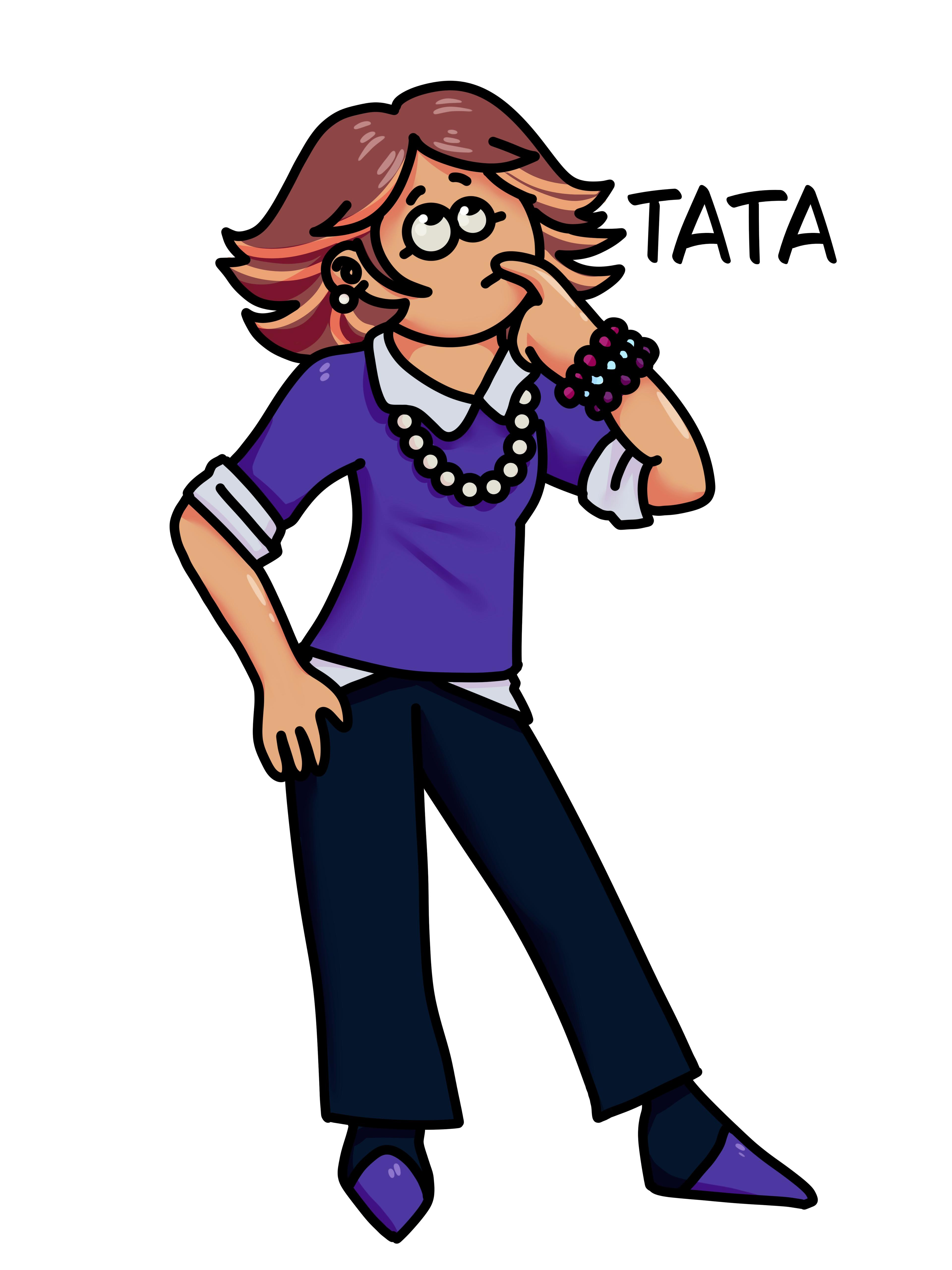
TATA
The Adaptation / Overthinking Voice
“Who do I need to become so I’ll be accepted?”
TATA is the voice built to survive society—the part of you that learned how to perform, impress, please, and fit in. TATA develops because humans need more than basic survival; we crave identity, belonging, and connection.
Neurobiology & Origin
TATA operates through social conditioning, perfectionism, comparison loops, and imposter syndrome. It creates a "chameleon" mask to avoid judgment, but often leaves you feeling disconnected from who you truly are.
What it sounds like in your head
How TATA shows up in everyday life:
- People-pleasing and saying yes when you desperately want to say no.
- Relentless overthinking, rehearsing conversations, and decision paralysis.
- Comparing your internal behind-the-scenes with everyone else’s highlight reel.
- Achievement addiction—feeling worthless unless you are producing or succeeding.
Tools for balancing TATA:
Uncoupling Worth from Output
Practice stating: “My human worth is inherent. I do not need to perform or earn my right to rest.”
The 70% Rule
Intentionally submit or execute tasks at 70% perfection to break TATA’s paralyzing all-or-nothing standard.
Micro-Unmasking
Share an honest preference or boundary in low-stakes situations to practice being real instead of agreeable.